Wooden Fixed Ladders · Factory-Direct Since 2004
Fixed Wooden
Ladder
Wooden loft ladders for interior access — or explore steel and aluminum alternatives built to code-rated spec with full compliance docs.
Clear Width
Rung Pitch
Rated Use
Lengths
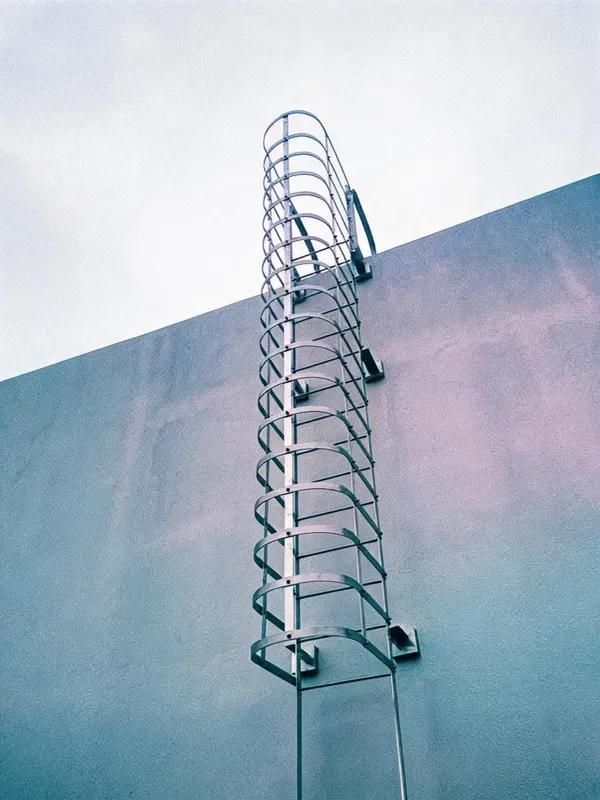
Loft & Attic Access
Fixed Wooden Ladder, Loft & Attic Access
A fixed wooden ladder brings a classic look to interior loft and attic access. For exterior or code-rated industrial access, most projects move to steel or aluminum — and we build all three.
Interior Lofts
Warm timber look for residential and boutique attic access.
Weight Trade-Offs
Wood is heavier than aluminum and can rot, warp, and split outdoors.
Code Rating
Most fixed-ladder codes assume metal; wood rarely meets OSHA spec.
Metal Alternatives
Galvanized steel or aluminum quoted against your wood design.
Honest Material Guidance
Wooden vs Metal Ladders
We build wooden, steel, and aluminum ladders — here is how they compare for fixed access.
| Criterion | Wooden | Steel (HDG) | Aluminum |
|---|---|---|---|
| Code Compliance | Rarely meets OSHA/BS fixed-ladder spec | OSHA 1910.27 / BS 4211 ready | OSHA 1910.27 / BS 4211 ready |
| Durability | Rot, warp, split outdoors | 30+ year HDG life | Salt-tolerant oxide layer |
| Weight | Heavy, hard to handle | Heaviest | ≈60% lighter than steel |
| Fire Resistance | Combustible | Non-combustible | Non-combustible |
| Maintenance | Recoat / replace sections | Minimal after galvanizing | Minimal, no paint |
| Best For | Interior loft / attic look | Industrial exterior runs | Towers, tanks, roof access |
Wood & Metal Dimensions
Fixed Wooden Ladder Specifications & Dimensions
When a wooden design needs to meet code, we translate it into a rated metal ladder with the same footprint.
- Same rung geometry as our steel line
- 1.5 kN ≈ 337 lbf rung rating available
- Cage Φ700 mm (27.6″ ID) where required
- Full DoC & MTC with every metal order
| Specification | Wooden | Metal Alternative |
|---|---|---|
| Height | Loft / attic ranges | 10 – 25 ft standard, to 40 ft |
| Material | Timber (on request) | Q235B steel / 6063-T5 aluminum |
| Rung Diameter | Per design | Φ20 mm (0.79″) |
| Rung Spacing | Per design | 280 mm / 11″ (≤300 mm) |
| Clear Width | Per design | 500 mm (19.7″) |
| Load Rating | Not code-rated | 1.5 kN ≈ 337 lbf per rung |
| Cage | Not typical | Φ700 mm (≈27.6″ ID), starts 7–8 ft |
| Finish | Varnish / stain | HDG / clear anodized / powder coat |
| Standards | — | OSHA 1910.27, BS 4211, EN ISO 14122-4 |
Loft & Alternative Configurations
Fixed Wooden Loft Ladders Options & Configurations
Wooden loft layouts, plus the steel and aluminum alternatives we quote alongside them.
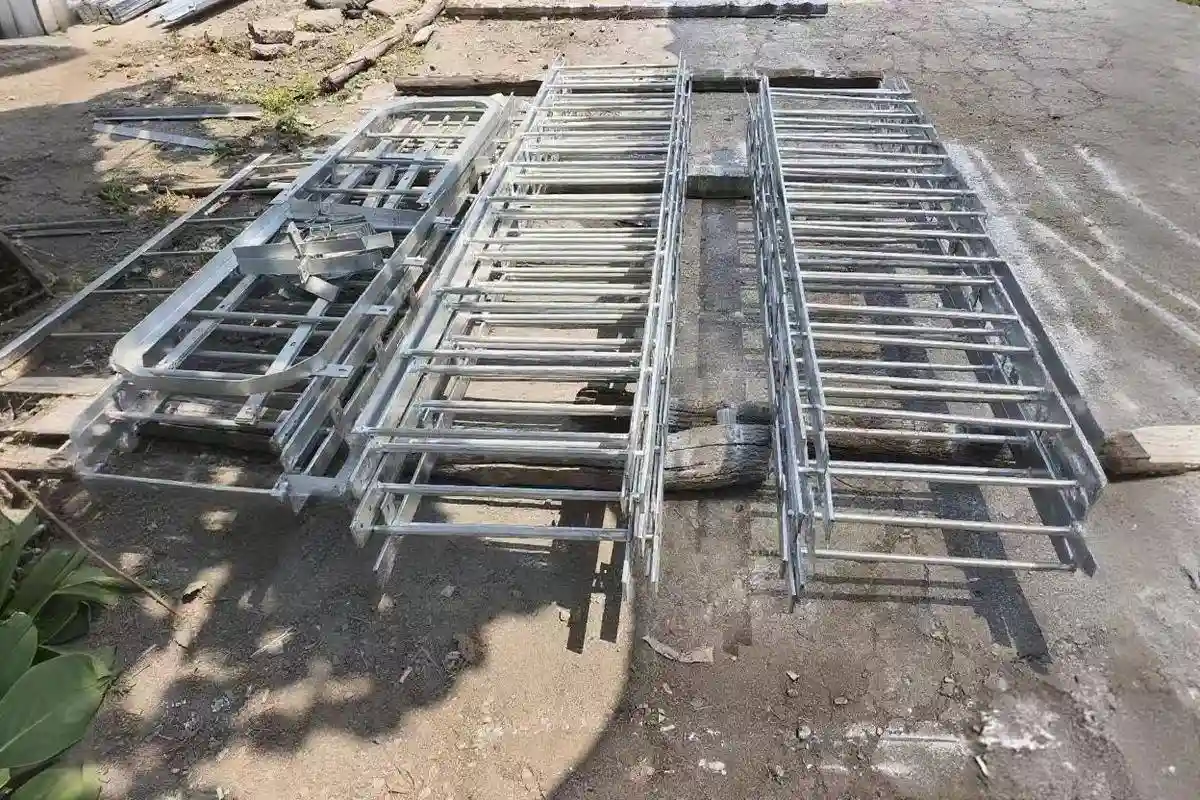
Fixed Wooden Loft Ladders
Interior loft and attic runs, built to your timber specification and finish.
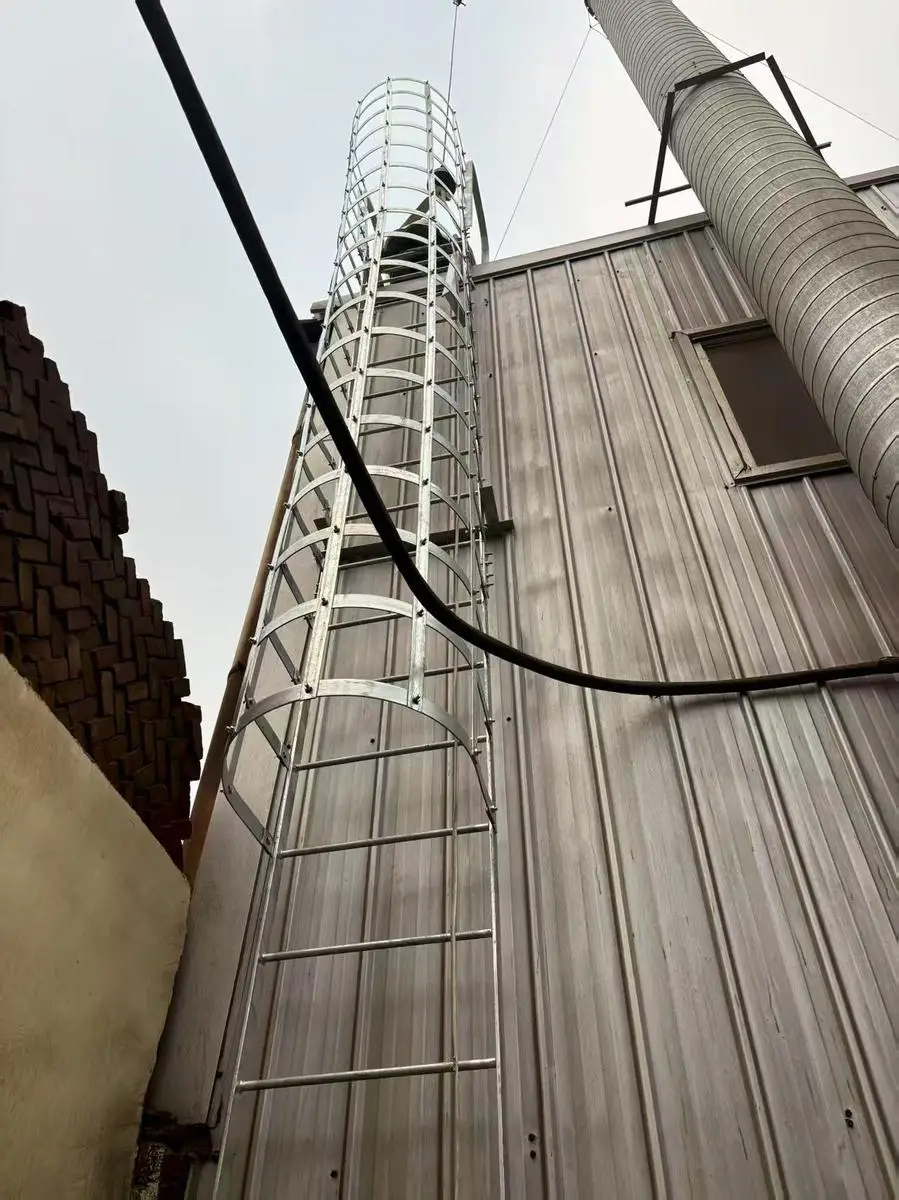
Steel Alternative to Wood
Q235B hot-dip galvanized, code-rated fixed access with the same footprint.
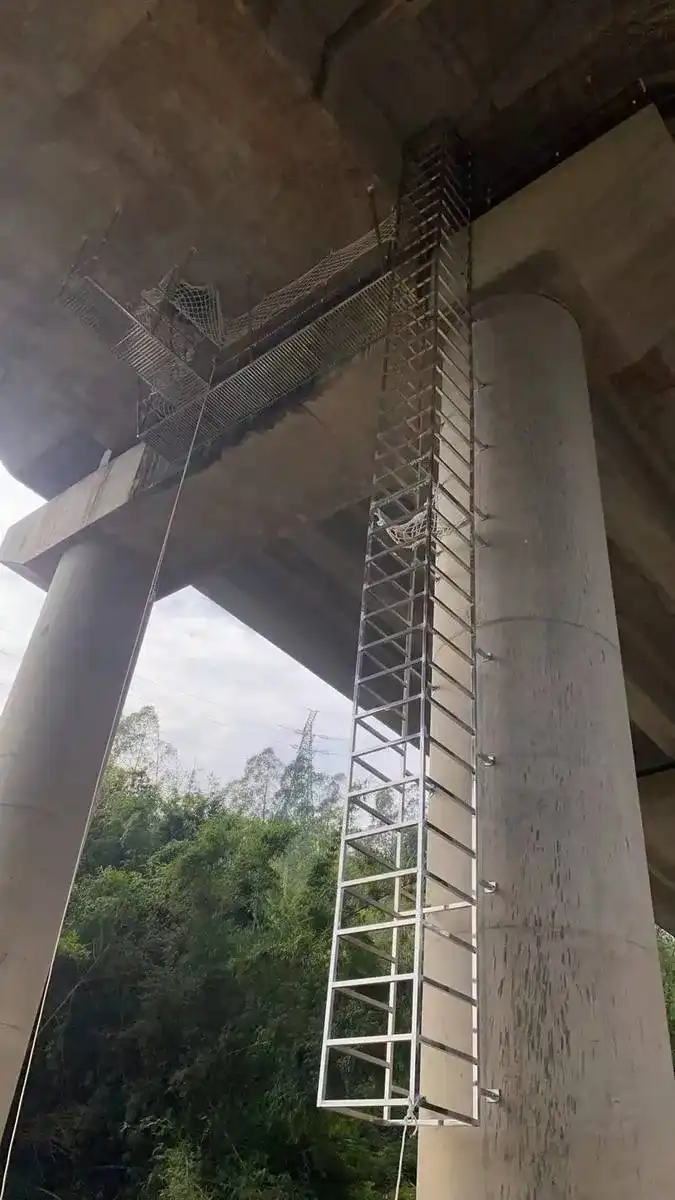
Aluminum Alternative to Wood
Lightweight, non-sparking, and easy to retrofit where a wood run is planned.
Certifications
Compliance & Documentation
- OSHA 1910.27 — Full Compliance
- BS 4211:2005+A1:2015
- EN ISO 14122-4
- AS 1657
- Cal/OSHA Title 8
Documentation Package
Wooden and metal orders ship with complete documentation — no extra cost, no paywall.
-
Declaration of Conformity (DoC)
-
Material Test Certificates — EN 10204 3.1
-
Structural Calculations
-
Welding Procedure Specifications
-
Surface treatment certificates (HDG per ISO 1461)
Factory-Direct Pricing
Factory-Direct Pricing & 24h Quote
Wood, steel, and aluminum alternatives quoted on the same sheet — priced by material weight and process.
Custom quotation priced by weight & process. Industry reference: caged ladders ≈ USD 899–1,099/ton.
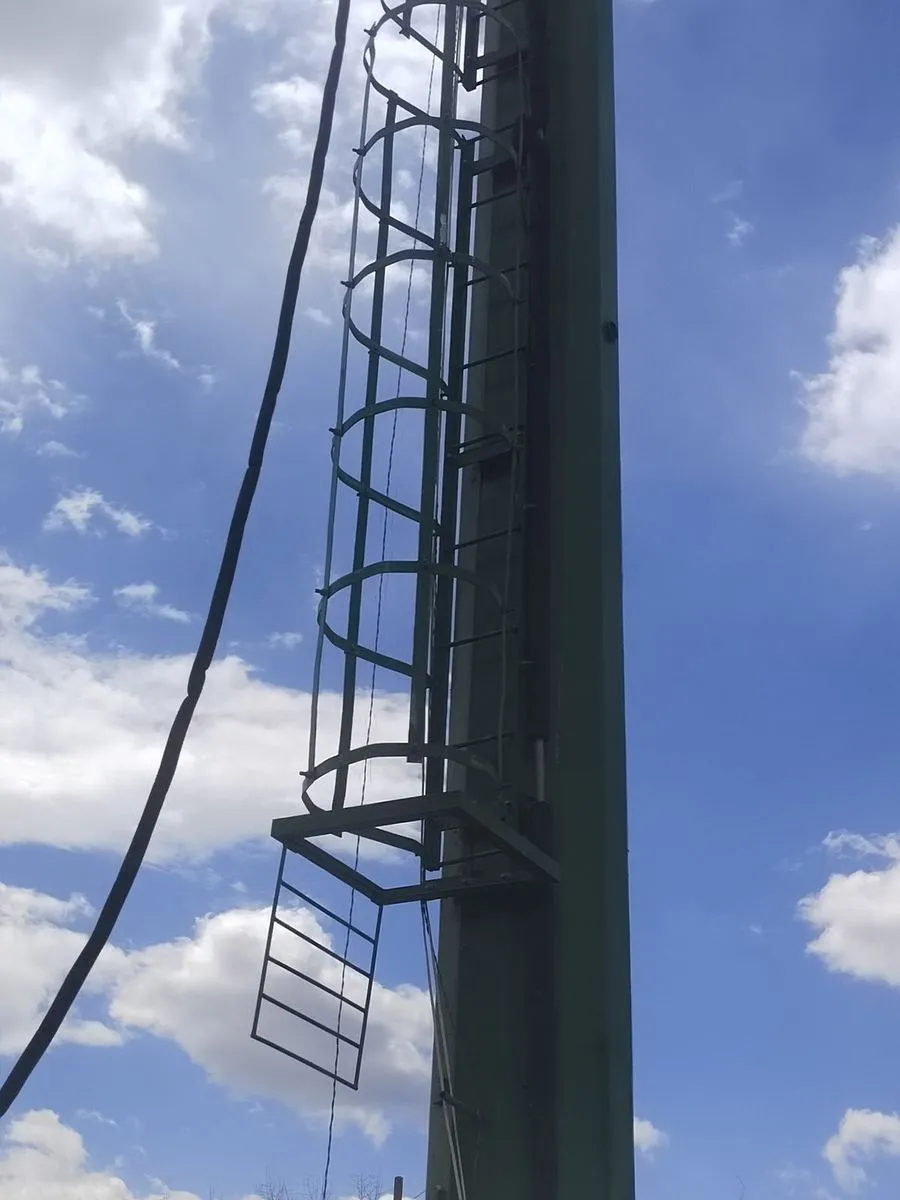
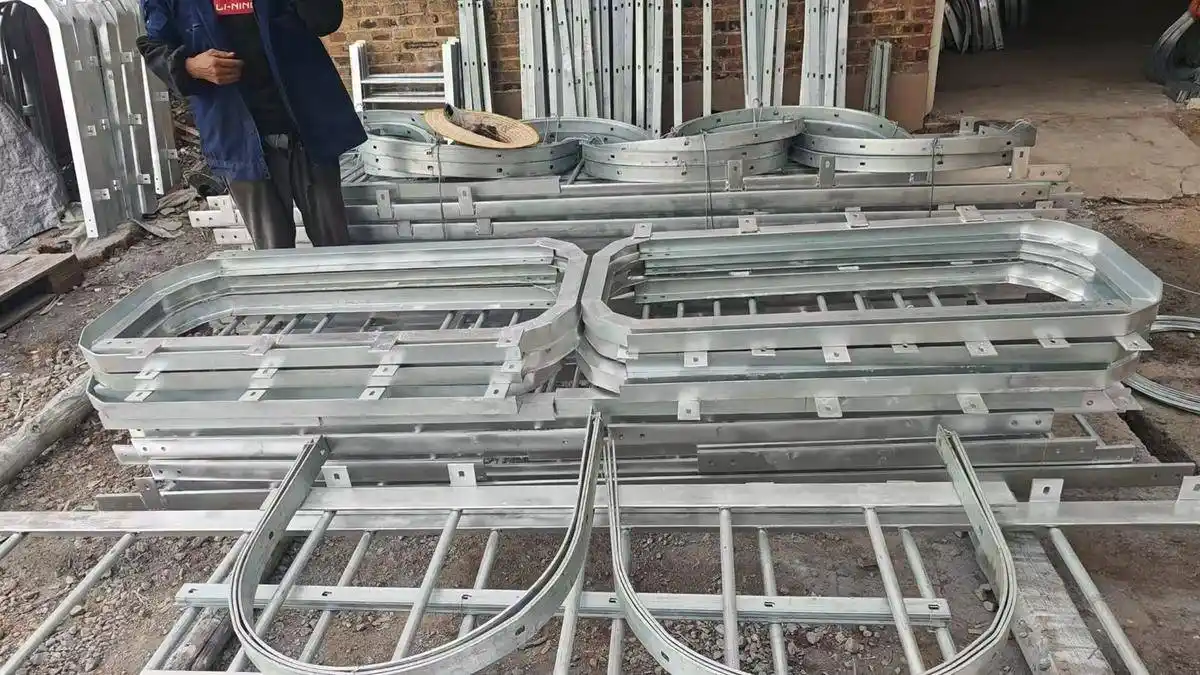
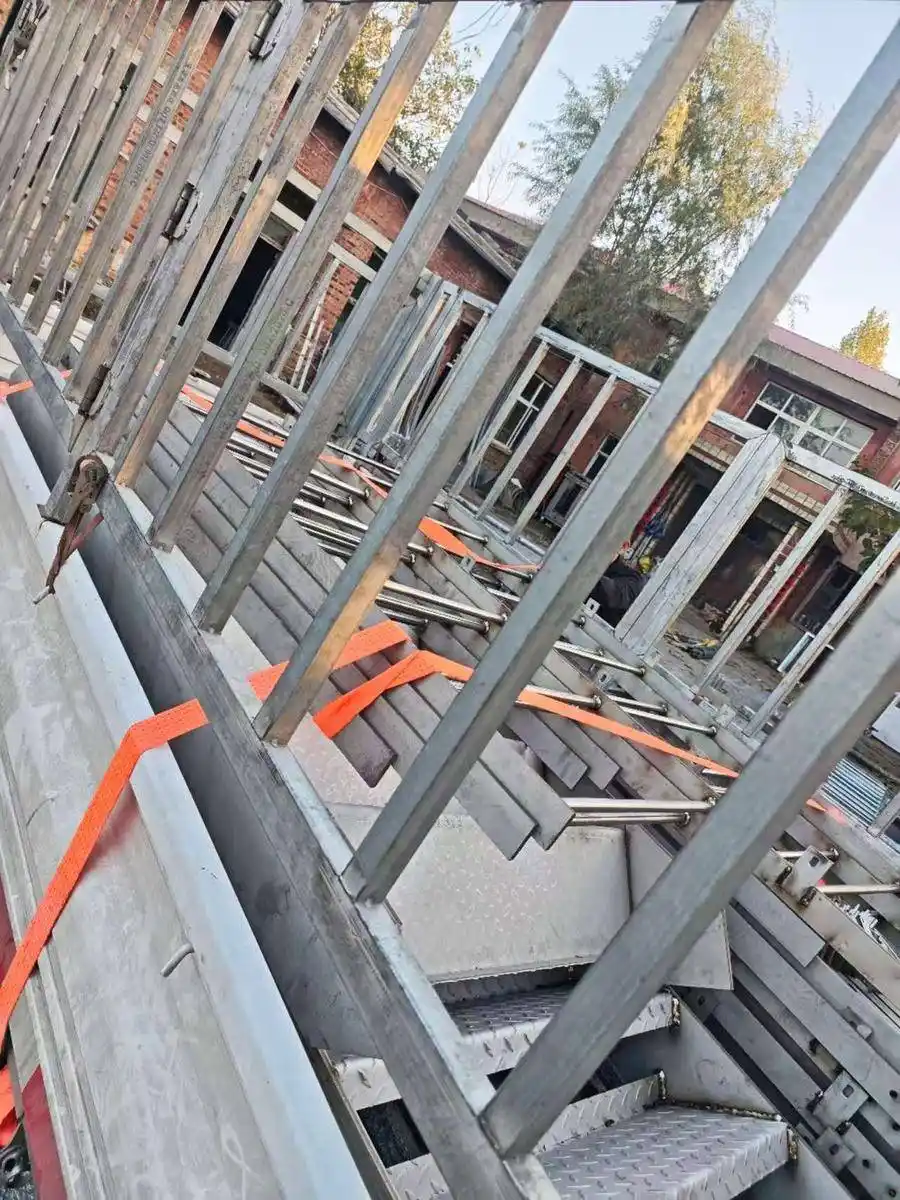
Global Shipping & Factory
Built in China, Delivered Worldwide
-
8–12 × 40ft containers shipped per month
-
VCI rust protection + ISPM 15 heat-treated wooden crates
-
EXW / FOB / CIF terms available
-
15–25 business days production lead time
Common questions
Inspect at least once a year — and after storms or heavy use — for splits, loose rungs, rot and insect damage. Outdoor timber needs re-sealing or re-varnishing every 1–2 years; interior loft ladders far less often. HDG steel needs none of this for 40–60 years.
Wood wins on first cost, but loses on total cost of ownership: timber lasts 5–15 years outdoors with recurring sealing and repairs, while HDG steel (85–100 µm) is rated for 40–60 years with minimal maintenance. Over a 30-year horizon, the steel ladder is usually the cheaper choice.
Pressure-treated timber resists rot and insects better than untreated wood, but it still splits, checks and loosens at the rungs — and it cannot carry an engineered load rating, DoC or structural calculation. For outdoor or regulated access, HDG steel remains the dependable option.
Replace it — and stop using it immediately — when you find deep cracks or splits, soft or discolored rot, loose or missing rungs, insect tunnels, or any wobble under load. A steel replacement with the same footprint carries a certified 1.5 kN ≈ 337 lbf rung rating.
Yes — send your drawings or ladder dimensions and we will review them free and quote within 24 hours. The steel version keeps your footprint: Φ20 mm rungs at 280 mm / 11″ spacing, 500 mm clear width, 1.5 kN rating, with DoC and MTC 3.1; production takes 15–25 working days after approval.
Timber Fixed Ladders: What Wood Can and Can't Do
A factory-side look at the wood itself — species, preservative treatment, grain behaviour and moisture — and the honest limits that keep timber out of load-certified, regulated access.
| Common Timber & Treatment | What It Means for a Fixed Ladder |
|---|---|
| Common species | Softwoods — pine, spruce, fir: cheap and easy to machine, but softer and more moisture-sensitive. Hardwoods — oak, iroko: denser and stiffer, but heavier, pricier and harder to work at rung joints. |
| Pressure-treated lumber | Preservative forced deep into the cells under vacuum-pressure. CCA (chromated copper arsenate) is restricted for residential use in many markets; ACQ (alkaline copper quaternary) is the common copper-based successor. |
| Preservation class | Outdoor, above-ground, weather-exposed stock is rated UC3 (Use Class 3 per EN 335); UC4 covers ground or water contact. An outdoor timber ladder needs at least UC3-treated lumber — and even then it is protected against rot and insects, not against physical breakdown. |
| What treatment does NOT fix | Preservative never stops checking, splitting, warping or rung joints working loose — the failure modes that actually end a timber ladder's life. |
How Wood Behaves
Anisotropic, moisture-driven, uncertified
- Anisotropic strength: timber is typically an order of magnitude stronger along the grain than across it. Every rung joint loads wood across the grain — the weakest direction — and strength varies from board to board, knot to knot.
- Moisture content rules: as MC changes with the weather, wood swells and shrinks unevenly. Joints loosen, rungs work free and spacing drifts away from the 280 mm grid — silently.
- No factory load certification: a natural product has no guaranteed yield point. That is why no structural calculation, DoC or MTC 3.1 can be issued for a timber ladder — ever.
Life & Maintenance
5–15 years outdoors vs 40–60 years HDG
- Outdoor life: 5–15 years depending on climate and treatment quality — versus 40–60 years for Q235B steel with 85–100 µm hot-dip galvanizing (ISO 1461).
- Inspect every year: at least annually, and after storms or heavy use — look for splits, loose rungs, rot and insect damage before they become failures.
- Re-seal every 1–2 years: outdoor timber needs re-varnishing or re-sealing every 1–2 years; interior loft ladders far less often. Steel needs none of it.
Regulatory Reality
No structural calcs, no DoC, no MTC
- Load-rated rungs: fixed ladder standards expect every rung to carry a point load such as 1.5 kN ≈ 337 lbf. We certify that figure on steel by calculation and test — on timber we cannot put our name to it.
- The paperwork gap: a wooden ladder ships with no structural calculation, no Declaration of Conformity and no mill certificate. Auditors, insurers and inspectors all notice.
- Who carries the risk: when a timber ladder fails, liability lands on the installer and site owner — and without documentation, the defence is already lost.
Where Wood Genuinely Fits
Honest applications for timber ladders
- Temporary, non-regulated access: short-term site use and staging where no load certification or compliance file is demanded.
- Interior loft and attic ladders: low-frequency indoor loft access in homes — wood's classic, genuinely acceptable role. Our steel loft ladder keeps the same footprint and adds a certified 1.5 kN rating.
- Historic buildings: heritage and listed properties where a steel ladder would be visually unacceptable — timber is the only material that fits.
Three Myths About Timber Ladders
Treatment guards against rot and insects — not against checking, warping, UV degradation or rung joints working loose. The annual inspection and 1–2 year re-seal cycle never goes away.
Only on day one. Add re-sealing every 1–2 years, repairs and replacement at 5–15 years, and the total cost of ownership inverts — over a 30-year horizon the HDG steel ladder is usually the cheaper choice.
A sound board can hold a person — but "can" is not "certified". Without a structural calculation and a 1.5 kN rung rating, no engineer or insurer will sign it off for regulated access.
Wood vs Metal Selection Guide
Wooden Fixed Ladders: Limitations & Steel Alternatives
Wooden fixed ladders have a place in low-frequency home and loft access — but for industrial, outdoor or regulated access, an engineered steel ladder is the safer, longer-lived and better-documented choice.
| Property | Wooden Fixed Ladder | Steel Alternative (HDG) |
|---|---|---|
| Typical Outdoor Life | 5–15 years, climate dependent | 40–60 years with 85–100 µm HDG |
| Moisture & Rot | Prone to decay, splitting and warping | Unaffected — zinc-protected steel |
| Insect / Termite Damage | Real risk in many regions | None |
| Fire Resistance | Combustible | Non-combustible |
| Rung Consistency | Shrinks and twists; spacing drifts over time | Fixed 280 mm / 11″ spacing for life |
| Load Rating | Difficult to certify | 1.5 kN ≈ 337 lbf per rung, engineered |
| Compliance Paperwork | None available | DoC + structural calculation + MTC 3.1 on request |
| Best Use | Occasional home loft or attic access | Industrial, outdoor, roof and regulated access |
Wood Ladder Limits
Where Wood Falls Short
- • Moisture cycles cause checking, splitting and loose rungs — the classic failure point on wooden fixed ladders.
- • Hidden decay and insect damage can progress inside the stringers with no visible warning.
- • Wood burns and produces no structural warning before failure in a fire.
- • Repainting and re-sealing is a recurring maintenance cost that never ends.
- • No mill certificate, structural calculation or DoC can be issued for a timber ladder.
Try Steel Alternatives
The Metal Replacement — Even for Loft Access
- • Steel loft ladders keep the compact footprint of wood but add a certified 1.5 kN load rating.
- • HDG 85–100 µm means no painting, no sealing, no rot — fit and forget for decades.
- • Caged, walk-thru or platform variants cover the same access points as timber.
- • Every steel ladder ships with DoC and structural calculations — documentation timber cannot match.
- • Get a like-for-like drawing review: send your wooden ladder dimensions and we will quote the steel equivalent.
Wood vs Metal Questions
Wooden Fixed Ladder FAQs
Some timber ladders are permitted for certain applications, but proving compliance — load ratings, rung spacing, corrosion resistance — is far easier with engineered steel. We supply DoCs and structural calculations with every metal ladder.
Typically 5–15 years depending on climate. Moisture, rot, insects and UV checking degrade the rungs and stringers, while HDG steel (85–100 µm) is rated for 40–60 years outdoors.
Higher strength per section, non-combustible, no rot or insect damage, consistent rung spacing for life, and full compliance documentation. For industrial or regulated access it is the safe default.
For occasional home loft access, a well-built timber ladder is acceptable. For daily use, heavy loads or any commercial setting, a steel loft/access ladder is the durable, load-rated, documented choice.
Proven in real facilities
Reference projects are shown by industry, country and scale. Client names are available on request with approval.
National utility projects — 15+ countries
23 documented projects, 2021-2025 · 2025
All standardsEnergy & industrial clients — Global
500+ projects since 2004 · 2004-2025
Full compliance docsLargest single order — Malaysia
60 units in one project · 2021
HDGGet Your Quote
Talk to an Engineer
Free drawing review. Itemized quote in 24 hours — wood, steel, or aluminum. No obligation.
Why Work With Dengtai?
Full Compliance Docs
DoC, MTC, structural calcs included free.
24-Hour Quote
Engineering review + itemized quote within one day.
Global Delivery
8–12 containers/month. VCI + ISPM 15 packaging.
Get a Fast Quote
Tell us the basics — we'll confirm specs and pricing within 24 hours.
Related Fixed Wooden Ladder Pages
Explore loft access, alternatives, and resources for your project.
Loft & Attic Ladders
Interior loft and attic access solutions
Steel Fixed Ladders
Code-rated galvanized steel alternative
Aluminum Fixed Ladders
Lightweight non-sparking alternative
OSHA 1910.27
Full OSHA compliance documentation
Fixed Ladder Installation
Guides, diagrams & requirements
What Is a Fixed Ladder?
Definitions, types & applications